Top OSHA Safety Violations Aerial Lift Operators Need to Avoid
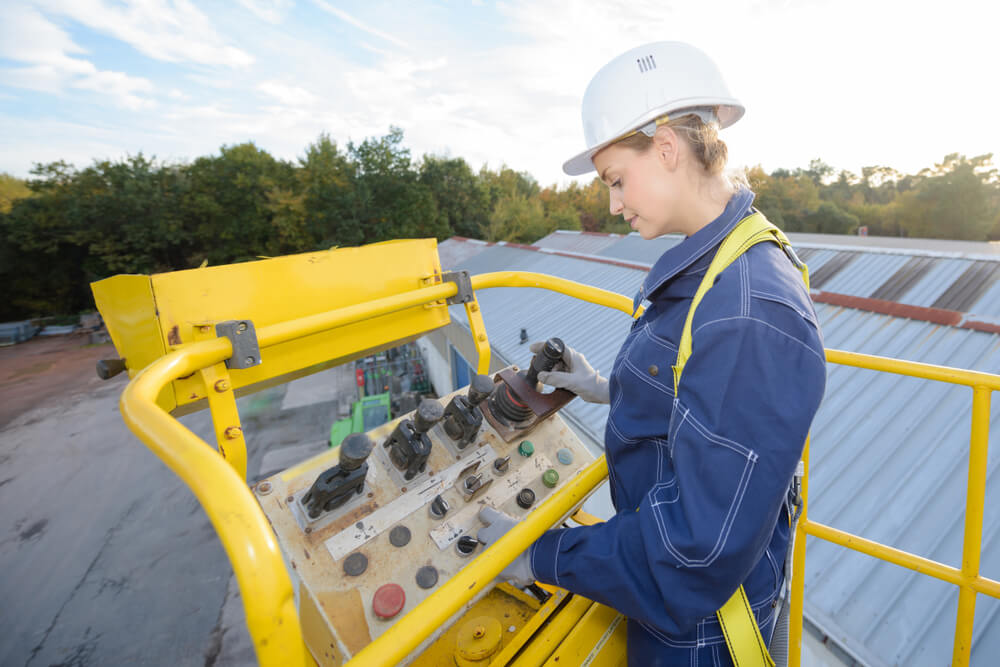
Aerial lift operators work in some of the highest-risk conditions on any jobsite or facility. Whether using a scissor lift or boom lift, operators face serious hazards related to falls, tip-overs, electrocution, falling objects, unstable ground conditions, and improper equipment use. Many OSHA violations involving aerial lifts are preventable when operators are properly trained, equipment is inspected before use, and safe work practices are consistently followed.
This guide explains the OSHA safety violations that matter most to aerial lift operators and the employers responsible for keeping elevated work safe. By understanding the most common problem areas, companies can reduce injuries, avoid citations, and improve jobsite compliance.
Key Takeaways
- Aerial lift violations are often tied to poor training, skipped inspections, unsafe setup, and fall protection failures.
- Fall hazards, electrocution risks, and tip-overs are some of the most serious dangers for aerial lift operators.
- Pre-use inspections are critical for identifying damaged components, hydraulic issues, control problems, and missing safety features.
- Operators must understand lift capacity, surface conditions, overhead hazards, and manufacturer instructions before elevating the platform.
- PPE, hazard communication, and documentation of training all play an important role in OSHA compliance.
- Employers should combine classroom instruction, hands-on training, and regular evaluations to support safer elevated work.
What OSHA Safety Violations Matter Most to Aerial Lift Operators?
Aerial lift operators are exposed to more than one OSHA standard. In addition to equipment-specific concerns, employers must also manage fall hazards, electrical exposure, PPE use, hazardous substances, and safe walking-working surfaces. The violations most relevant to aerial lift work often include:
- Fall Protection: Missing or inadequate fall systems for work at heights.
- Hazard Communication: Labels and safety data sheets not maintained or accessible.
- Respiratory Protection: No program, fit testing, or required respirators.
- Scaffolding: Improper setup or use that risks falls.
- Lockout/Tagout: Procedures absent or not followed during servicing.
- Powered Industrial Trucks: Operator training, inspections, or safe practices lacking.
- Electrical Wiring Methods: Unsafe installations and noncompliant wiring.
- Machine Guarding: Guards missing or ineffective, exposing moving parts.
- PPE: Required equipment not provided or used correctly.
- Ladders and Stairways: Poor maintenance or misuse leading to falls.
These issues affect both construction and general industry settings wherever aerial lifts are used for maintenance, installation, inspection, or overhead access work.
See all of our available certifications to get covered on these common violations:
1. Fall Protection Failures
Fall protection is one of the most important OSHA issues for aerial lift operators. Workers can be seriously injured or killed when they climb out of the platform, overreach instead of repositioning the lift, leave gates unsecured, or use the lift in a way that defeats its built-in protection.
Common fall-related problems include:
- climbing or sitting on guardrails
- standing on boxes, tools, or materials to gain extra height
- exiting an elevated platform without proper protection
- failing to close chains or gates
- not using required fall protection equipment where applicable
- leaning too far outside the platform instead of repositioning the lift
Operators should always treat the platform as a controlled work area and avoid any shortcut that increases exposure to a fall.
2. Inadequate Aerial Lift Training
Aerial lifts require equipment-specific training. Employers can face OSHA problems when workers are assigned to lifts without proper instruction, hands-on familiarization, or evaluation of their ability to operate safely in actual work conditions.
Training deficiencies often include:
- allowing untrained workers to operate lifts
- failing to train on the specific type of lift being used
- not covering workplace hazards such as slopes, obstructions, or power lines
- failing to evaluate operator performance
- not providing refresher training after unsafe operation or an incident
Operators need more than basic awareness. They must understand controls, emergency procedures, stability limits, site hazards, and safe movement of the equipment.
3. Unsafe Surface Conditions and Tip-Over Hazards
Aerial lifts depend on stable ground conditions. Soft soil, potholes, slopes, curbs, drop-offs, and uneven surfaces can all increase the risk of a tip-over. These hazards are especially important for boom lifts and outdoor work where terrain can change quickly.
Common setup mistakes include:
- using the lift on unstable ground
- ignoring slope limitations
- operating too close to holes or edges
- driving the lift over rough surfaces while elevated
- failing to inspect the travel path before moving
- setting up near excavations or weak surfaces
Before elevating, operators should assess the work area carefully and confirm the ground can safely support the equipment.
4. Electrical Hazards and Power Line Exposure
Electrocution remains one of the most severe aerial lift hazards. Operators can be injured when lifts are moved too close to energized power lines, overhead service drops, or other electrical sources. This risk increases when visibility is limited or when operators assume lines are insulated or de-energized without verification.
Electrical safety issues often include:
- working too close to overhead power lines
- misjudging clearance distance
- failing to identify energized equipment in the work zone
- moving elevated equipment near electrical hazards
- not using proper planning or spotters when needed
Operators should always identify overhead electrical hazards before starting work and maintain safe clearance throughout the job.
5. Personal Protective Equipment
PPE violations are common when employers do not assess the hazards of aerial lift work or when workers do not wear the protection required for the task. PPE for aerial lift operations depends on the jobsite, lift type, and the work being performed.
Depending on the environment, required PPE may include:
- hard hats
- protective footwear
- high-visibility clothing
- eye protection
- gloves
- fall protection equipment where required
- hearing protection in high-noise areas
PPE supports safer operation, but it must be paired with training, good judgment, and correct lift use.
6. Poor Pre-Use Inspection Practices
Many aerial lift incidents begin with equipment problems that should have been caught before use. OSHA concerns arise when operators skip inspections, fail to report defects, or continue using damaged equipment.
A proper pre-use inspection should include:
- tires or wheels
- guardrails and gates
- controls and emergency stop functions
- alarms and warning devices
- hydraulic systems
- hoses and fittings
- platform floor condition
- emergency lowering system
- decals and operating instructions
- signs of leaks, damage, or worn components
If a defect could affect safe operation, the lift should be removed from service until repaired.
7. Overloading the Platform
Platform capacity limits are critical for aerial lift safety. Overloading the lift with workers, tools, or materials can affect stability and increase the risk of tipping or structural failure. This becomes even more dangerous when the lift is extended or used on uneven ground.
Unsafe loading practices include:
- exceeding platform weight limits
- carrying more workers than permitted
- loading large materials that affect balance
- failing to account for tool or material weight
- using the lift for tasks outside its intended purpose
Operators should always verify the platform capacity and plan the work so the lift is used within its designed limits.
8. Hazard Communication
Aerial lift operators may work around paints, coatings, solvents, adhesives, fuel sources, welding fumes, silica dust, or cleaning chemicals. OSHA hazard communication violations can occur when these materials are not labeled properly, safety data sheets are unavailable, or employees are not trained on the hazards they may encounter.
Operators should know:
- which hazardous materials are in the work area
- where safety data sheets are located
- what PPE is needed for chemical exposure
- what ventilation or respiratory precautions apply
- how to respond to leaks, spills, or airborne contaminants
Hazard communication becomes especially important during maintenance, coating, repair, and indoor overhead work.
9. Walking-Working Surface Hazards
Even though aerial lift work happens off the ground, walking-working surface hazards still matter. Operators and ground personnel can be exposed to slips, trips, and falls caused by clutter, wet areas, debris, poor lighting, and blocked work zones.
Common site issues include:
- tools or materials left in access paths
- muddy or slippery setup locations
- debris around the base of the lift
- poor housekeeping near entrances or work zones
- blocked emergency access routes
Good housekeeping helps prevent both ground-level injuries and equipment instability.
10. Maintenance, Repair, and Equipment Condition
Employers may face OSHA problems when aerial lifts are not maintained properly, damaged units remain in service, or workers attempt repairs without authorization or safe procedures. Mechanical defects, worn components, hydraulic leaks, and missing safety devices can all increase risk significantly.
Common equipment-related issues include:
- using lifts with known defects
- failing to document maintenance
- bypassing safety devices
- allowing unqualified workers to perform repairs
- not removing damaged lifts from service
- ignoring warning indicators or unusual equipment behavior
Operators should report equipment concerns immediately and never assume a lift is safe just because it still powers on.
What OSHA Looks for During an Aerial Lift Safety Inspection
When OSHA reviews aerial lift operations, inspectors often look for evidence that operators are trained, lifts are inspected before use, fall hazards are controlled, and employers are enforcing safe work practices. They may also examine whether workers are operating near electrical hazards, whether the lift is being used on stable ground, and whether damaged equipment has been removed from service.
A strong aerial lift safety program should show that the employer is actively identifying hazards, training operators on real jobsite conditions, and correcting unsafe behavior before it becomes an injury or citation.
Common Aerial Lift Operator Mistakes That Lead to OSHA Violations
Many lift-related OSHA issues come from routine shortcuts. Common mistakes include:
- skipping the pre-use inspection
- operating on unsafe or sloped surfaces
- standing on rails to gain extra reach
- overreaching instead of repositioning the lift
- ignoring overhead power line hazards
- exceeding capacity limits
- moving the lift without checking the path of travel
- failing to secure tools and materials
- continuing to use a damaged lift
- not wearing required PPE
These actions may only take seconds, but they can create life-threatening consequences.
Aerial Lift Pre-Use Inspection Checklist
Before operating an aerial lift, operators should inspect both the equipment and the surrounding work area. A daily inspection should include:
- tires, wheels, or outriggers if applicable
- guardrails, gates, and platform entry points
- controls and emergency functions
- alarms, lights, and warning systems
- hydraulic hoses and fittings
- leaks or visible structural damage
- fall protection equipment if required
- operating instructions and warning decals
- platform floor and gate condition
- overhead obstructions
- nearby power lines
- ground stability, slope, and surface condition
- weather or wind conditions where applicable
Any issue that could affect safe operation should be reported and corrected before the lift is used.
Why Aerial Lift Training Is Critical for OSHA Compliance
Aerial lift training helps operators understand how to work safely at height, recognize instability hazards, avoid electrical exposure, and use the equipment according to manufacturer requirements. Effective training gives operators the knowledge and judgment needed to avoid the most common causes of citations and injuries.
A strong training program should include:
- formal instruction
- lift-type-specific training
- jobsite hazard recognition
- pre-use inspection procedures
- safe elevation and repositioning practices
- emergency response procedures
- hands-on evaluation
Training should be reinforced through supervision, retraining when needed, and clear documentation.
Employer Responsibilities for Aerial Lift Safety
Employers are responsible for more than simply providing access equipment. They must build and enforce a safety program that supports compliant aerial lift use. That includes:
- ensuring only trained and authorized workers operate lifts
- providing lift-specific instruction
- evaluating operator performance
- maintaining lifts in safe condition
- removing defective equipment from service
- controlling fall and electrical hazards
- verifying stable setup conditions
- providing required PPE
- documenting training and inspections
- conducting regular audits of aerial lift operations
Aerial lift safety depends on consistent planning, oversight, and enforcement.
Frequently Asked Questions
What is the biggest OSHA concern for aerial lift operators?
Fall hazards are one of the biggest concerns, followed closely by tip-overs and electrical contact with overhead power lines.
Do aerial lift operators need to inspect the equipment before each use?
Yes. Pre-use inspections are critical for identifying mechanical defects, missing safety features, and unsafe site conditions before operation begins.
Can an operator stand on the guardrails to reach higher?
No. Standing or climbing on guardrails creates a major fall hazard and is a common unsafe practice.
Why is surface condition so important for aerial lift safety?
Unstable, sloped, or damaged surfaces can reduce lift stability and increase the risk of tip-overs, especially when the platform is elevated.
What should happen if an aerial lift has a defect?
The issue should be reported immediately, and the lift should be removed from service if the defect affects safe operation.
Is general safety training enough for aerial lift work?
No. Operators need lift-specific training that matches the equipment and the hazards of the workplace.
Conclusion
Aerial lift-related OSHA violations are often preventable when employers and operators focus on the fundamentals: training, inspections, fall prevention, equipment condition, stable setup, and awareness of overhead hazards. Aerial lift safety should never rely on habit or assumption. It requires careful planning before the platform ever leaves the ground.
For operators, the goal is to inspect the lift, assess the work area, stay within the equipment’s limits, and avoid shortcuts at height. For employers, the goal is to build an aerial lift safety program strong enough to prevent incidents and support full OSHA compliance.